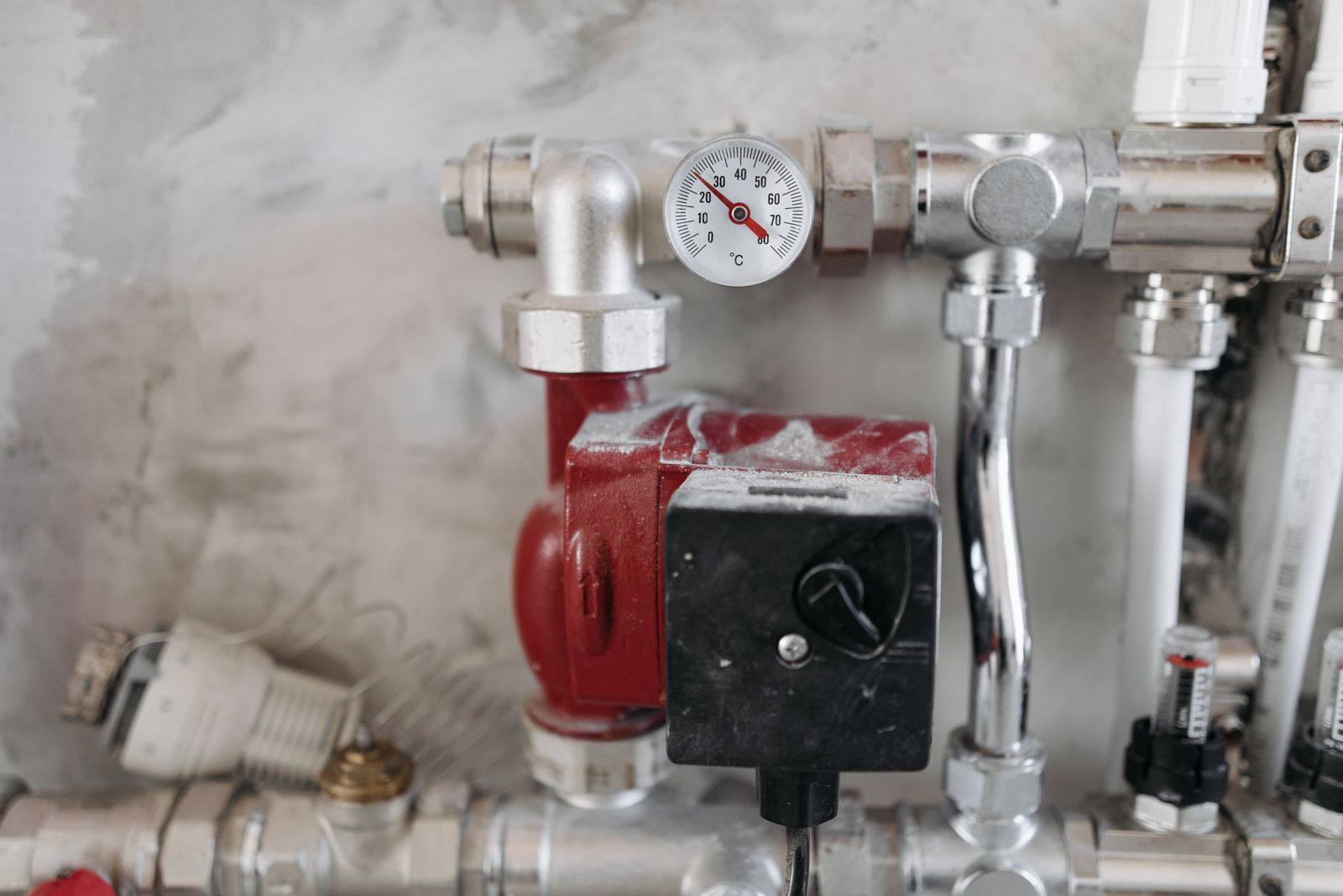
Greeley winters are the test for a water heater
Greeley is Weld County's anchor city on Colorado's northern plains, a farm and energy town that has grown fast — its subdivisions now stretch toward Windsor, Johnstown, Firestone, and Frederick, and the county's growth means a lot of water heaters here are only a few years old. The plains climate is the defining fact for those heaters: cold winters with hard freezes, dry air, and wide temperature swings between day and night.
Here is what winter does to water heaters in Greeley, and which steps actually help. It is general guidance, not a quote or a guarantee.
Cold, hard water, and the garage install
Most of Greeley's newer homes put the heater in the garage, which means it spends the winter in near-freezing air. The tank itself stays warm while it runs, but the pipes feeding it do not — and a frozen pipe can split, with the leak showing only when it thaws the next morning. At the same time, the plains water feeding the heater carries minerals that settle as sediment in the tank and scale in tankless heat exchangers, so a Greeley heater fights cold and minerals at once.
Older homes near downtown have the opposite layout: basement installs, where the heater is warmer but the plumbing is older. Original supply lines can restrict flow and make a new heater perform worse than it should until the piping is addressed.
What actually helps
- - Insulate exposed pipes — foam insulation on the inlet, outlet, and any runs along exterior walls or in unheated spaces.
- - Keep the garage above freezing — sealing the worst drafts around doors and vents is often enough on most winter nights.
- - Flush and check the anode rod in the fall — a heater that goes into winter clean and with a working anode rod handles the cold far better than one that has never been maintained. See the maintenance page.
- - Let a tap drip on the coldest nights — moving water does not freeze as readily. It is a short-term measure, not a fix.
- - Know the shutoffs — the water supply to the heater and the home's main supply, so a leak can be stopped fast.
What does not help
Waiting until the coldest night of the year. A heater that has never been flushed, with pipes that have never been insulated, is the one that fails in a freeze — and it fails as a leak, which is an emergency.
Frequently Asked Questions
How cold does it have to get to freeze a pipe?
Pipes in unheated spaces can freeze when overnight temperatures fall well below freezing and stay there for hours. Drafts and wind make it happen faster.
Is hard water really a problem in Greeley?
Yes. Plains water carries dissolved minerals that settle as sediment in tank heaters and scale in tankless units. Annual flushing and descaling are the standard response.
Should I drain the heater in winter?
No — draining a heater that is in use is not freeze protection. Insulation, a drip, and keeping the space above freezing are the right steps.